
Some food destinations become famous because of one defining restaurant. Others develop their identity gradually, shaped by communities that return, chefs who establish their craft, and dining traditions that take root over time.
Cuppage Plaza Japanese dining belongs to the latter.
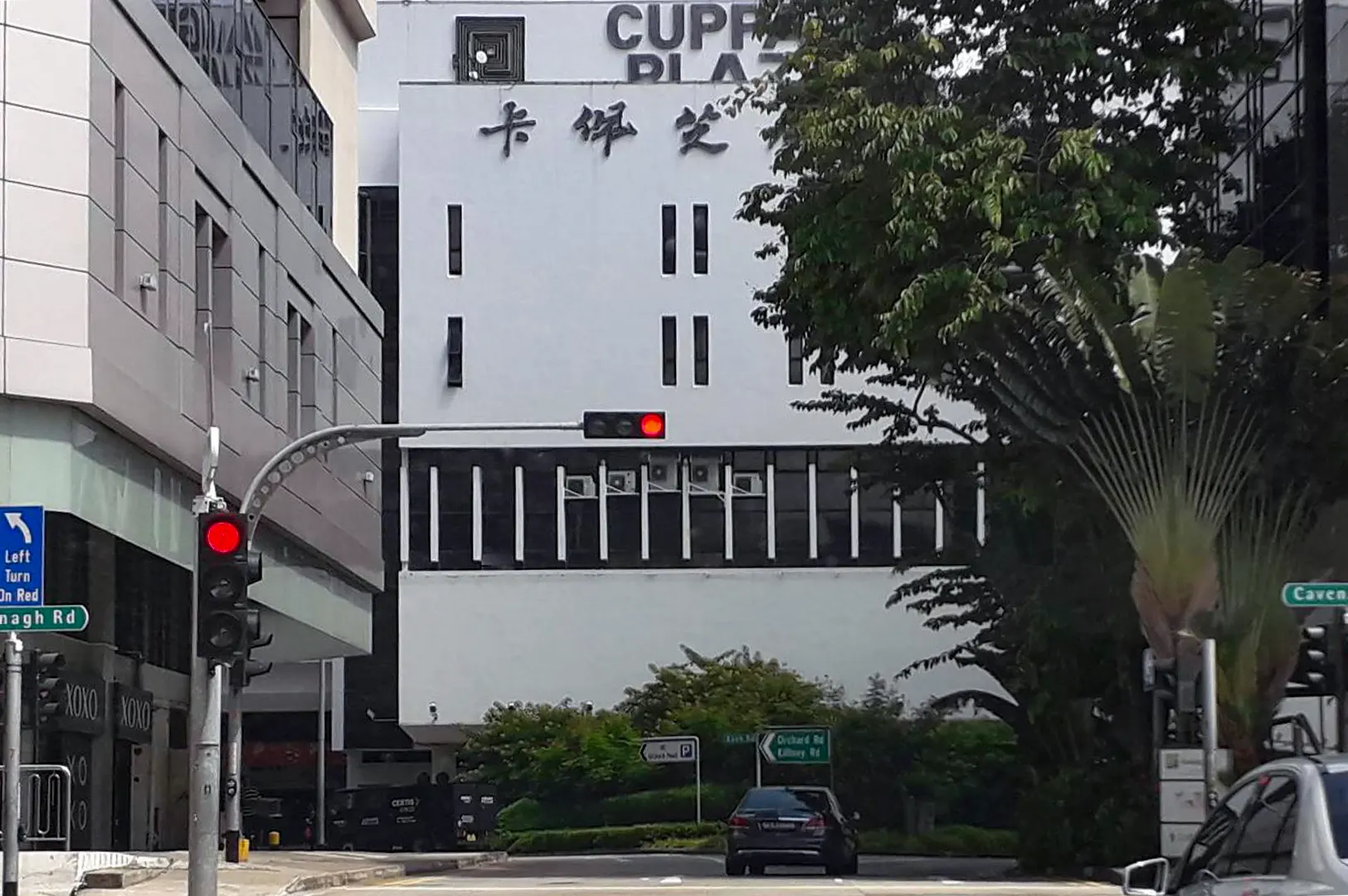
Located near Orchard Road, Cuppage Plaza has become one of Singapore’s most recognised locations for Japanese restaurants. Its reputation was not built through large-scale branding, but through a collection of specialised eateries that introduced different aspects of Japanese dining culture to local diners.
From sushi counters that emphasise precision to izakaya restaurants built around shared plates, Cuppage Plaza reflects the different ways Japanese cuisine is experienced. If you are looking for different japanese dining expriences; I suggest starting with Premium Omakase in Singapore. Cuppage Plaza have good omakase places for you to try!
Cuppage Plaza Japanese: How a Dining Community Took Shape
The identity of Cuppage Plaza Japanese restaurants developed through continuity.
Unlike newer dining clusters that emerge quickly around trends, Cuppage Plaza grew through restaurants with specific culinary focuses. Some specialised in sushi, others in yakitori and grilled dishes, while some offered the comfort of everyday Japanese meals through homestyle cooking and authentic japanese food.
This variety created a space where diners could explore different interpretations of Japanese cuisine within one building, enriching the Cuppage Plaza food scene.
The development of this community was also closely connected to Singapore’s Japanese expatriate population. For many Japanese residents, restaurants offering familiar flavours, traditional preparation methods, and recognisable dining customs provided a sense of connection to home.
Over time, these establishments attracted local diners who were interested in understanding Japanese food beyond the most familiar dishes, including noodle dishes, rice dishes, and simmered dishes.
The result was a dining environment shaped by both cultural familiarity and curiosity.
Japanese Restaurant Culture Inside Cuppage Plaza
A Japanese restaurant is often defined by more than its menu.
The preparation methods, ingredient selection, service style, and relationship between chef and diner all contribute to the experience.
Within Cuppage Plaza, many Japanese restaurants reflect this attention to detail through smaller dining spaces, counter seating, and direct interaction between guests and chefs.
A sushi counter allows diners to observe the precision involved in preparing nigiri, from the handling of seafood to the seasoning of sushi rice. An izakaya focuses on a different rhythm, where small plates, grilled dishes, and drinks encourage conversation—offering classic izakaya vibes.
These differences show that Japanese dining is not one single format.
It is a collection of traditions shaped by purpose.
Cuppage Plaza Food Guide: Exploring Different Japanese Dining Styles
A Cuppage Plaza food guide reveals the range of Japanese experiences available within the building.
The area is known for restaurants offering different expressions of authentic japanese cuisine, from casual meals to more specialised dining experiences.
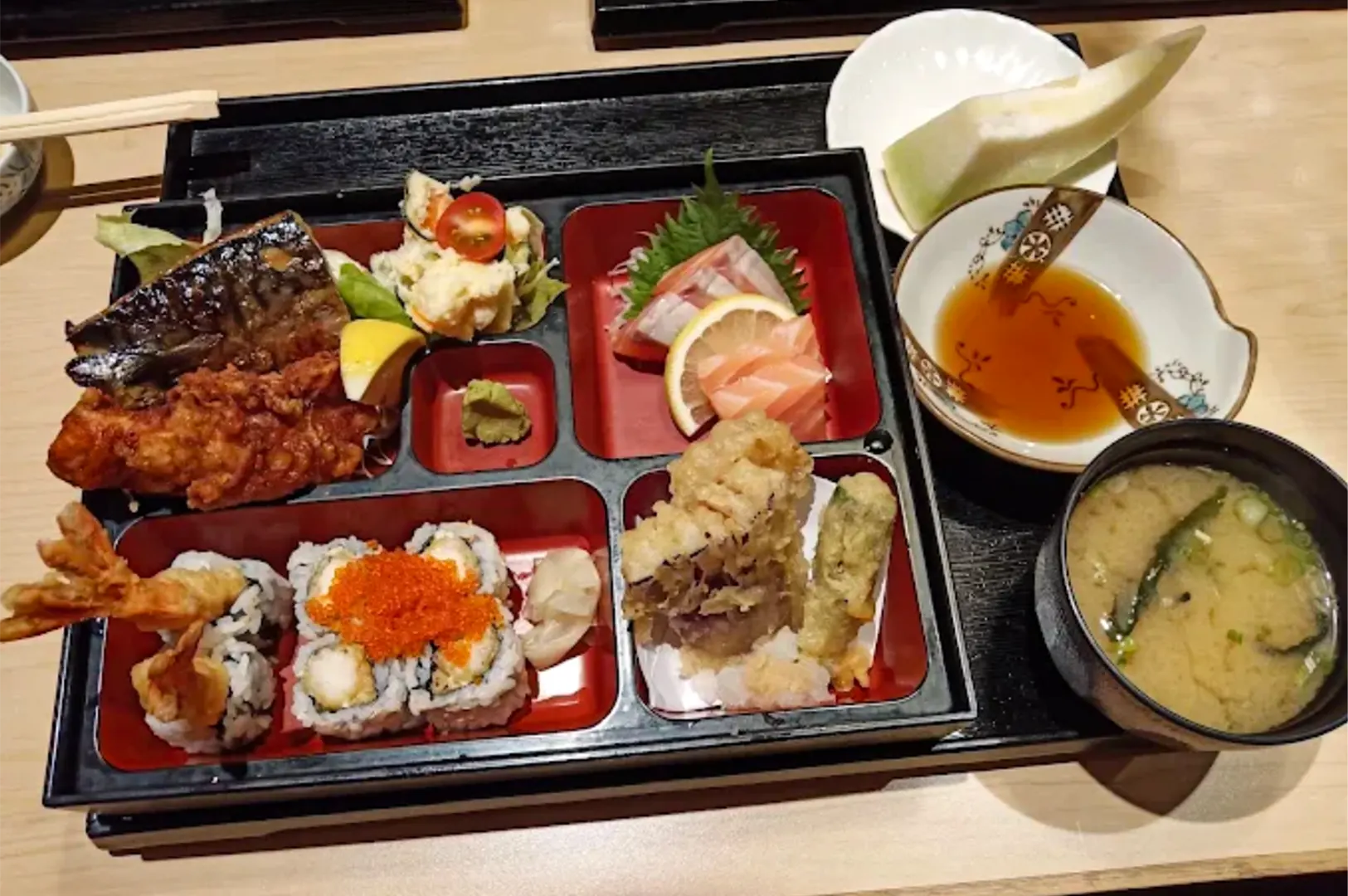
Some restaurants focus on sushi and sashimi, highlighting the importance of ingredient quality and preparation. Others explore grilled dishes, noodles, and rice-based meals that represent everyday Japanese dining.
This variety is what gives Cuppage Plaza its character.
A diner looking for a quick lunch may choose set meals or rice bowls. Someone planning a longer dinner may prefer small plates, sake, and grilled dishes.
The building accommodates different occasions while maintaining a connection to Japanese culinary traditions.
Japanese Cuisine: Technique, Ingredients, and Tradition
The foundation of Japanese cuisine lies in restraint.
Many Japanese dishes appear simple, but the simplicity often requires careful execution.
A sushi chef considers the relationship between fish, rice temperature, seasoning, and texture. A yakitori chef pays attention to charcoal heat, marination, and the characteristics of different chicken cuts, including chicken yakitori glazed with teriyaki sauce. A restaurant serving everyday Japanese dishes focuses on consistency and familiarity.
These techniques reveal an important part of Japanese food culture: the belief that quality comes from understanding ingredients rather than overwhelming them.
Cuppage Plaza’s restaurants reflect this philosophy in different ways.
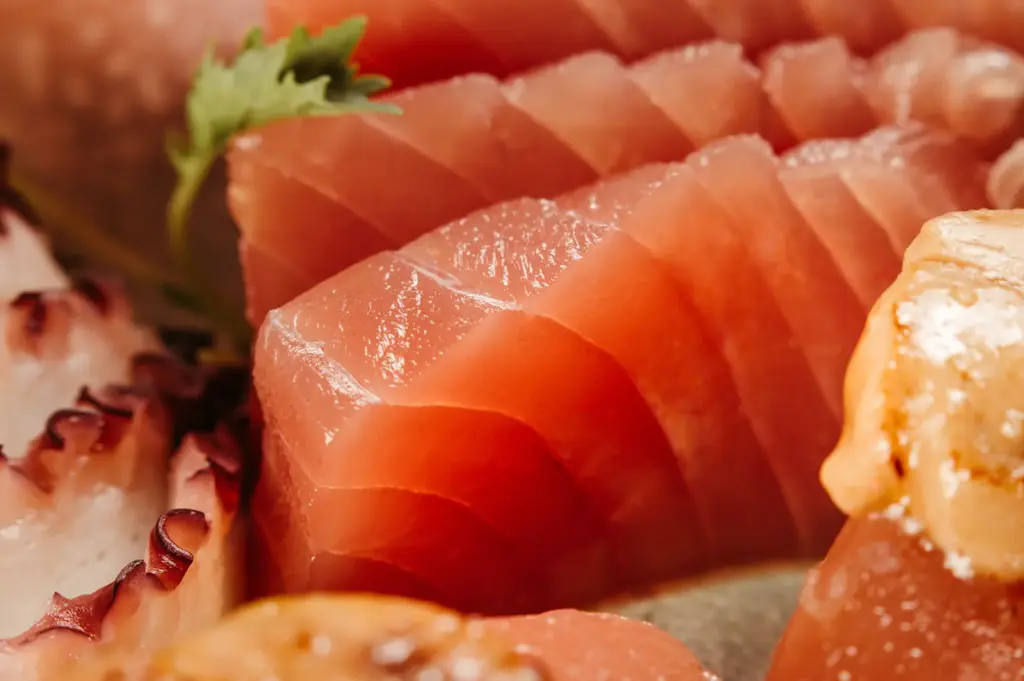
Some highlight premium seafood and seasonal ingredients like seasonal fish, fresh sashimi, and fatty tuna. Others focus on dishes that represent everyday meals in Japan, such as curry rice, fried rice, and tempura soba.
Both approaches contribute to the building’s identity.
Keria Japanese Restaurant and the Importance of Homestyle Cooking
Keria Japanese Restaurant represents a quieter side of Japanese dining.
While sushi and omakase often receive attention for their craftsmanship, homestyle Japanese cooking is equally important in understanding the cuisine.
Everyday dishes such as rice meals, simmered preparations, and familiar comfort foods reflect how Japanese people experience food in daily life.
This approach places emphasis on warmth, balance, and consistency.
It reminds diners that Japanese cuisine is not only about special occasions. It is also about meals that become part of routine.
Favorites at Keria include the rich potato cheese mentai and comforting oden dishes.
Ebi Bar and Kazu Sumiyaki Restaurant: Different Expressions of Japanese Food Culture
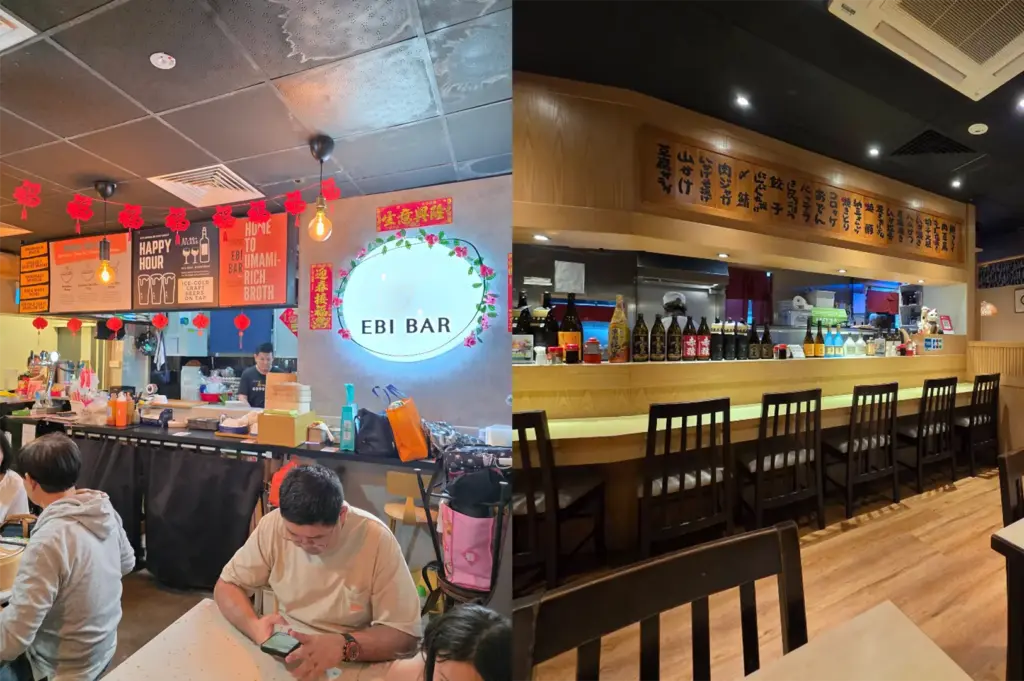
The presence of restaurants such as Ebi Bar and Kazu Sumiyaki Restaurant demonstrates the variety within Cuppage Plaza’s Japanese dining scene.
Ebi Bar represents a seafood-focused approach, where ingredients and preparation take priority. Its flavorful soybean broth and dishes like shrimp dumplings and shrimp balls highlight the importance of seafood quality, texture, and presentation.
Meanwhile, Kazu Sumiyaki Restaurant highlights the tradition of grilled Japanese cuisine. Yakitori and charcoal-grilled dishes rely heavily on technique, with chefs managing heat and timing to bring out the best qualities of each ingredient.
These restaurants may serve different styles of food, but they share a common focus: respecting the foundations of Japanese cooking while presenting them in ways that suit Singapore diners.
From Orchard Plaza to Little Tokyo: A Japanese Dining Landmark
Over time, the area surrounding Cuppage Plaza has developed a reputation among diners as a place to discover Japanese food.
Some visitors describe it as a small Little Tokyo, reflecting the concentration of authentic japanese restaurants and the sense of community built around them.
Its appeal comes from accessibility.
Diners can move between different restaurants and discover different styles of Japanese cuisine within a relatively compact area.
This makes Cuppage Plaza different from a typical shopping centre dining destination.
It feels more like a collection of individual culinary spaces, each contributing to a larger food culture.
The Hidden Connections Between Singapore’s Japanese Food Scene
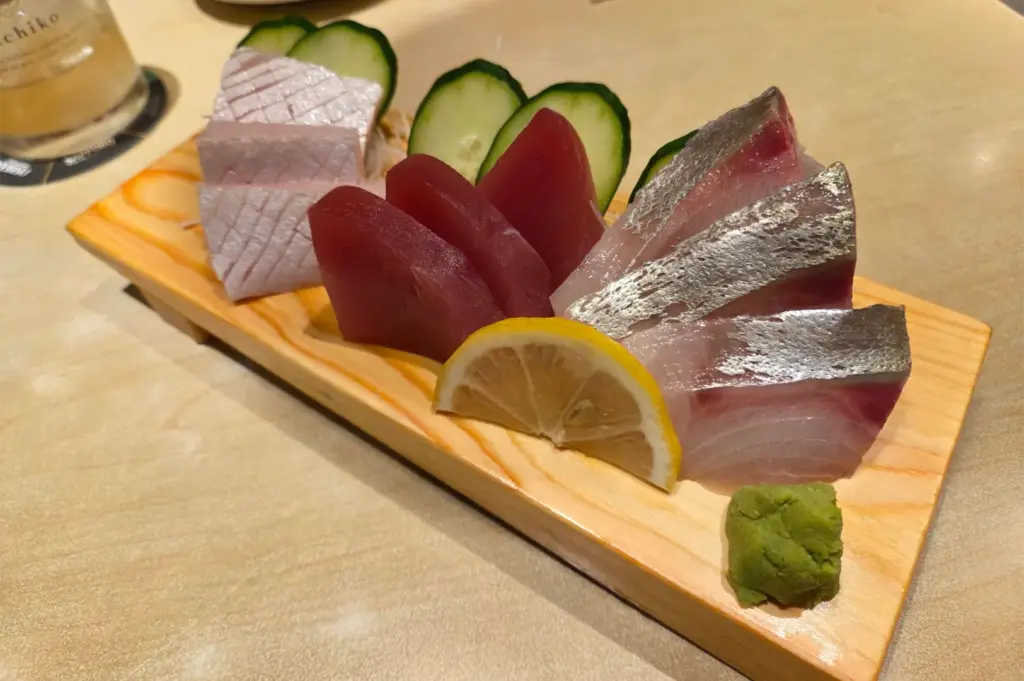
Cuppage Plaza is part of a broader pattern in Singapore, where specific buildings become associated with particular food communities.
These places often develop naturally through independent businesses, returning customers, and shared identities.
Similar examples can be found elsewhere, such as Fortune Centre Food, where a collection of independent eateries has created its own dining character over time.
These locations demonstrate that Singapore’s food culture is often shaped by smaller communities rather than only large commercial developments.
A building becomes meaningful because of the people who continue to use it.
Cuppage Plaza’s Dining Experience Today
Today, Cuppage Plaza continues to offer a distinctive authentic japanese dining experience for those interested in Japanese food.
Its appeal comes from variety and authenticity.
Visitors can find sushi restaurants, izakaya-style dining, grilled dishes, and everyday Japanese meals within the same location. Each restaurant offers a different interpretation of Japanese cuisine while contributing to the building’s overall identity.
For diners, this creates an opportunity to explore Japanese food at different levels, from casual meals to more specialised experiences.
Why Cuppage Plaza Remains Important to Singapore’s Japanese Food Scene
The story of Cuppage Plaza Japanese restaurants is ultimately about preservation and adaptation.
The building has maintained its connection to Japanese culinary traditions while allowing different restaurants and chefs to interpret those traditions in their own ways.
Its importance does not come from being the newest dining destination.
It comes from consistency.
Through sushi counters, izakaya restaurants, seafood specialists, and homestyle eateries, Cuppage Plaza continues to represent the diversity of Japanese dining in Singapore.
It is not simply a place where people eat Japanese food.
It is a place where Japanese food culture continues to evolve.