

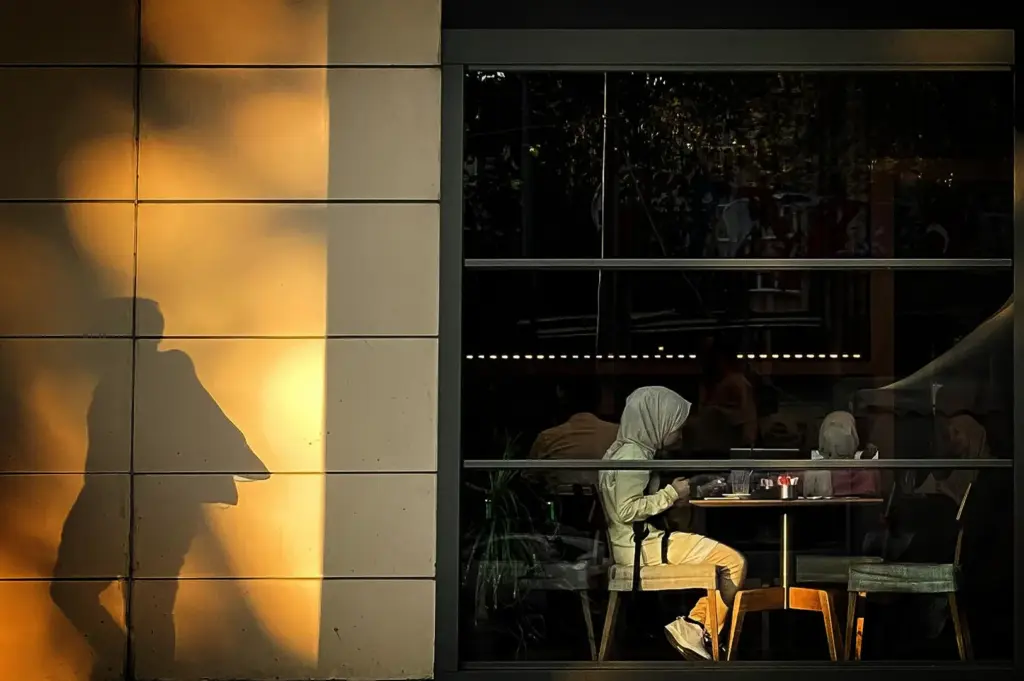
Not every coffee shop is remembered because of the coffee.
Some are remembered because of how they made people feel while sitting quietly inside them.
There are cafu00e9s that naturally encourage conversation,u00a0 bright spaces filled with movement, laughter, and noise. But there are others that seem designed for something softer. The lighting is gentler. The music stays low enough for thoughts to breathe. Even the pauses inside those places feel intentional.
These are the coffee shops people wander into when they need clarity, comfort, or simply a moment away from the pace of everything else.
Some coffee shops feel like they were made for reflection.
You notice it almost immediately upon entering. The atmosphere does not pressure you to hurry. Nobody seems rushed. The windows invite people to stare outside for long periods of time without guilt. Tables become temporary spaces for journaling, reading, daydreaming, or quietly processing emotions people do not yet know how to explain.
In these spaces, silence somehow feels welcome instead of awkward.
There is something deeply human about finding refuge in places filled with strangers. A reflective cafu00e9 creates a rare balance: you are alone, but never isolated. Around you, life continues in small, ordinary ways, cups being washed behind the counter, pages turning, soft conversations blending into the background. Those little sounds become comforting reminders that the world keeps moving gently even when your own mind feels heavy.
Sometimes people visit these cafu00e9s after difficult days because home feels too quiet and the outside world feels too loud. A coffee shop becomes the middle ground between isolation and overwhelm. It offers presence without pressure.
And often, that is exactly what reflection requires.
Reflection rarely happens on command. It arrives unexpectedly during still moments while watching rain gather against cafu00e9 windows, while stirring coffee absentmindedly, while listening to a song playing faintly overhead. Certain cafu00e9s create an atmosphere where thoughts finally have room to surface naturally.
People do not always leave those spaces with answers. But they often leave feeling lighter.
There is also comfort in the temporary nature of cafu00e9s. Nobody expects permanence there. You can sit for an hour carrying sadness, uncertainty, exhaustion, or nostalgia, and nobody asks you to explain yourself. The space quietly accepts every version of you that arrives through the door.
That quiet acceptance matters more than people realize.
Coffee shops have slowly become emotional landmarks in many peopleu2019s lives. Some remember the cafu00e9 where they recovered after heartbreak. Others remember where they planned a new future, wrote something meaningful, or spent time learning how to enjoy solitude again. Long after the drinks are forgotten, the feeling of those moments remains.
Because reflection is rarely tied to grand locations.
Sometimes it happens in a corner seat beside a warm cup and soft lighting.
Sometimes healing begins with nothing more than uninterrupted silence and familiar surroundings.
And perhaps that is why certain coffee shops stay with people for years. Not because they were trendy or extravagant, but because they offered something increasingly rare: space to think honestly, feel quietly, and exist without urgency.
Some coffee shops serve caffeine.
Others quietly serve peace.