
I remember the contrast vividly: a weeknight, just past seven, and the stairwell at Cuppage Plaza smelling of grilled fish and old carpet. A karaoke machine warmed up somewhere above; a noren curtain stirred in the air-conditioning draft. People were simply eating, as they had for years.
Up Orchard Road, a polished mall counter prepared for its second omakase seating. The lighting was considered, the chairs expensive, the menu well over a hundred dollars a head.
I’ve sat at both kinds of counters. For me, the question isn’t which is better. It’s which is honest.
Two Sides of Orchard’s Japanese Table
When I think about Japanese dining around Orchard Road, I think of Cuppage Plaza: izakayas, yakitori bars and small sushi counters shaped by the needs of people living and working nearby. For decades, it wasn’t built as a destination. It was dinner, often cooked by the owner, for regulars who came back.
I see mall dining as a different setting: reservations, translated menus and carefully designed rooms. The ritual of omakase remains, but its context has changed. I believe both can serve excellent food; what matters to me is what happens at the counter.
Omakase Means more than “Chef’s Choice”
I’m drawn to the meaning behind omakase, from makaseru: to entrust, to leave something in another’s hands. The phrase is simple, “I’ll leave it to you,” but the promise is not. I think a chef should read the season, the fish and the guest, then make the meal feel considered rather than simply expensive.
When I judge that promise, I look for four things: a chef’s grounding in the craft, a counter that encourages connection, thoughtful sourcing and the restraint to know when a dish is complete.
The Craft is in the Quiet Details
When I think about an authentic omakase in Singapore, I don’t start with a famous name on a biography. I look for judgment: rice served at the right temperature, fish treated with care, and a chef who can explain why a choice makes sense. If the moment feels right, I’d ask where they trained; good chefs often speak warmly about their teachers.
I also pay attention to the counter. Sushi is meant to be eaten soon after it’s made. To me, a direct hand-off, attentive pacing and natural conversation can make a small counter feel less like a performance and more like being welcomed into a kitchen. I have nothing against beautiful interiors, but spectacle shouldn’t replace exchange.
Taste the Season, Not the Formula
I value an omakase that changes with the season. The Japanese idea of shun, an ingredient’s moment of peak quality, asks a chef to respond to what is best now, not repeat the same lineup all year.
When I’m at the counter, I’d ask what fish is being served, where it came from and why it’s on the menu tonight. Importing seafood from Japan, by itself, proves little to me; a coherent point of view matters more. Sushi Masa by Kisetsu makes its approach easier to examine through its published omakase menu, giving diners a clearer view of the ingredients and the meal’s progression.
When Less Says More
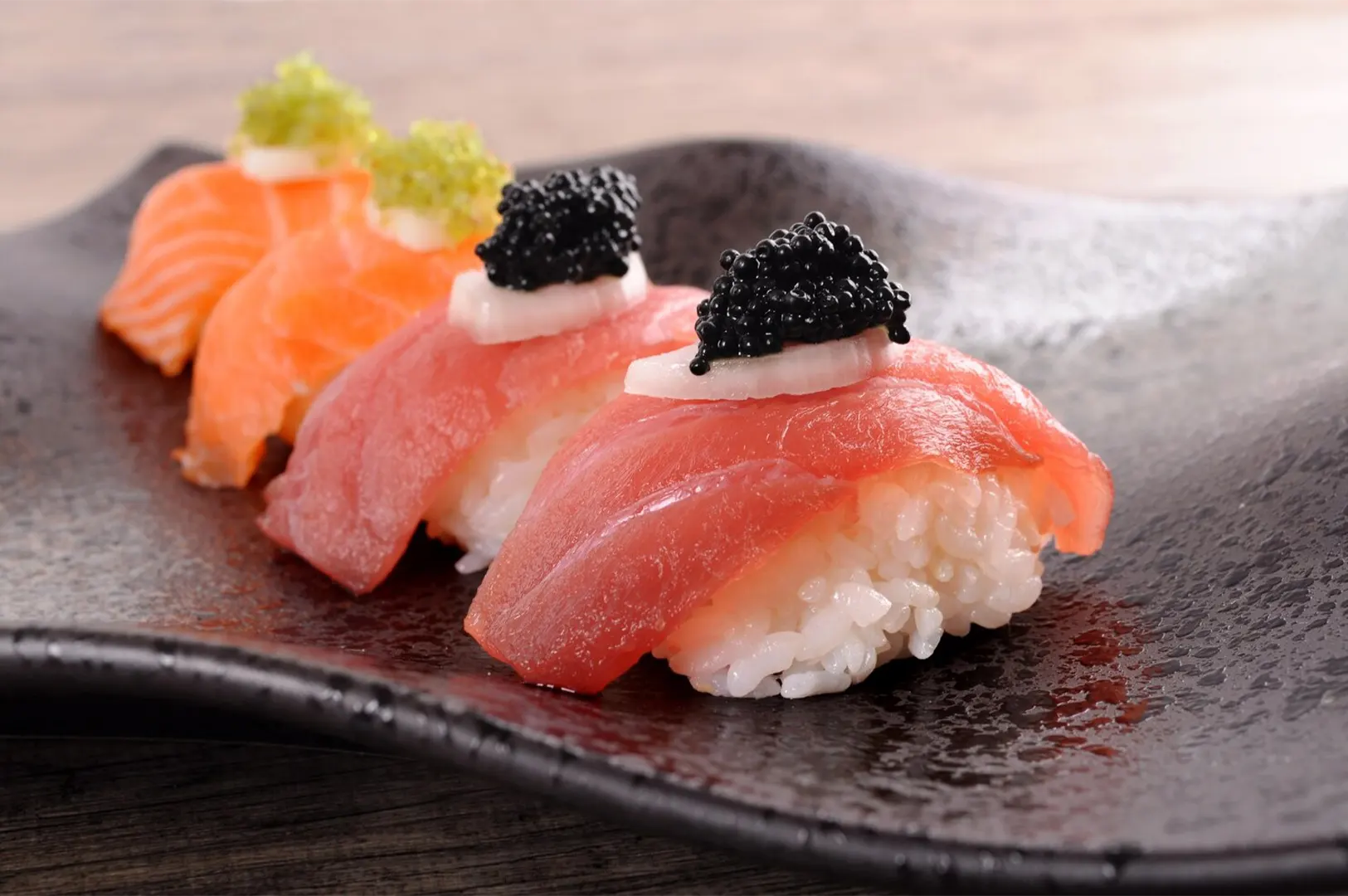
What I value most is restraint: a brush of soy when the fish needs nothing else, and the confidence to leave off the truffle, gold leaf or caviar that adds show but not meaning. To me, a well-shaped meal moves from lighter to richer, then ends with a sense of resolution not one more flourish to justify the price.
I know that restraint can be harder in a setting where diners expect spectacle. But luxury ingredients aren’t the issue; using them without purpose is. I’d rather leave satisfied than overwhelmed.
Authenticity Isn’t an Address
I don’t think Cuppage Plaza owns authenticity, and a worn counter doesn’t guarantee it. I do think the building offers a useful reminder: Japanese food on Orchard Road began not as a luxury category, but as everyday sustenance for people far from home.
Wherever it happens, I believe a good omakase honours that spirit. The chef treats the fish with precision, the rice with discipline and the guest with honesty.
Some meals stay with me as a sequence of courses. Others leave only a feeling: a quiet nod, a piece of fish simply prepared, a moment of trust well placed. That’s the kind of omakase I’d call authentic not because it checks every box, but because it proves worthy of the trust it asks for.